
The act of observing nature has always shaped how humanity survives, thinks, and creates. Today, as scientific discovery accelerates—from the farthest reaches of the cosmos to the quantum fabric of reality—new ways of sharing knowledge are essential. Enter Power of Nature, a groundbreaking digital exhibition by The Amaranthine Foundation, now live on Google Arts & Culture.
The exhibition reimagines our place in the cosmos for the 21st century.
Curated by Dr. Sandra Piesik, the exhibition explores existence across an extraordinary range of scale—from the observable universe (10²⁶) down to the Planck scale (10⁻³⁵). Structured around the theme of Life, it unfolds through two narrative arcs: The Beginning of Life / The Life Within and Life in Motion / The Universe Pulse, revealing the deep interconnectedness of all matter.
Drawing inspiration from seminal works like Powers of Ten by Charles and Ray Eames and Cosmic View: The Universe in 40 Jumps, the exhibition reimagines our place in the cosmos for the 21st century. It combines cutting-edge scientific imagery with artistic interpretation, creating a visually immersive and intellectually rich experience.
The Board of The Amaranthine Foundation said: “Power of Nature bridges art, culture, and science to inspire curiosity and foster engagement across STEAM disciplines. By drawing upon scientifically informed imagery, it celebrates the power of nature while encouraging new forms of cultural expression, innovation, and experimentation.”
More than 25 leading scientists contributed, including Nobel laureates and researchers from institutions such as NASA, European Space Agency, and top universities worldwide. Among them, Dr. Charles L. Bennett—whose work on cosmic microwave background radiation features in the exhibition—praised its ability to merge clarity, beauty, and scientific depth.
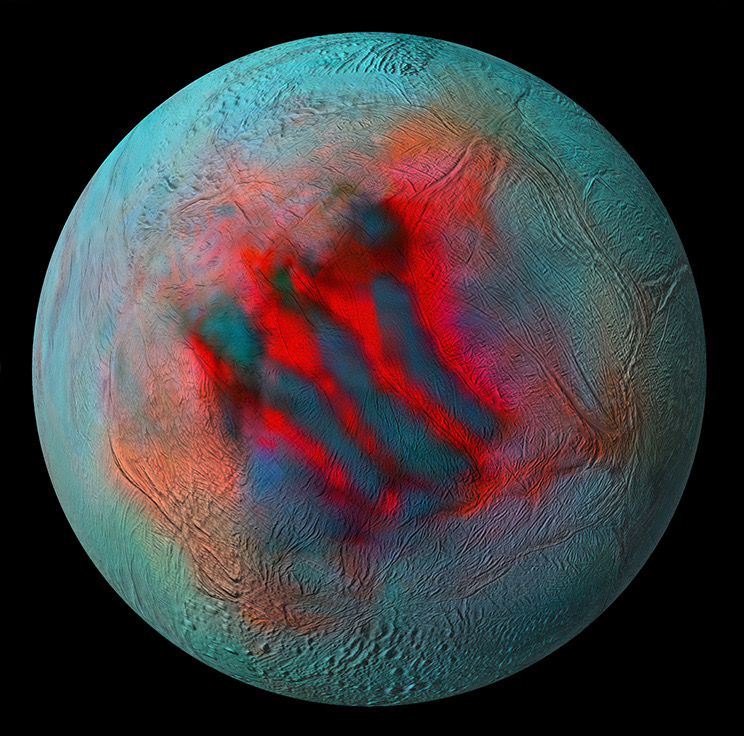
Credit: NASA / JPL – Caltech / University of Arizona / CNRS / University of Nantes / Space Science Institute
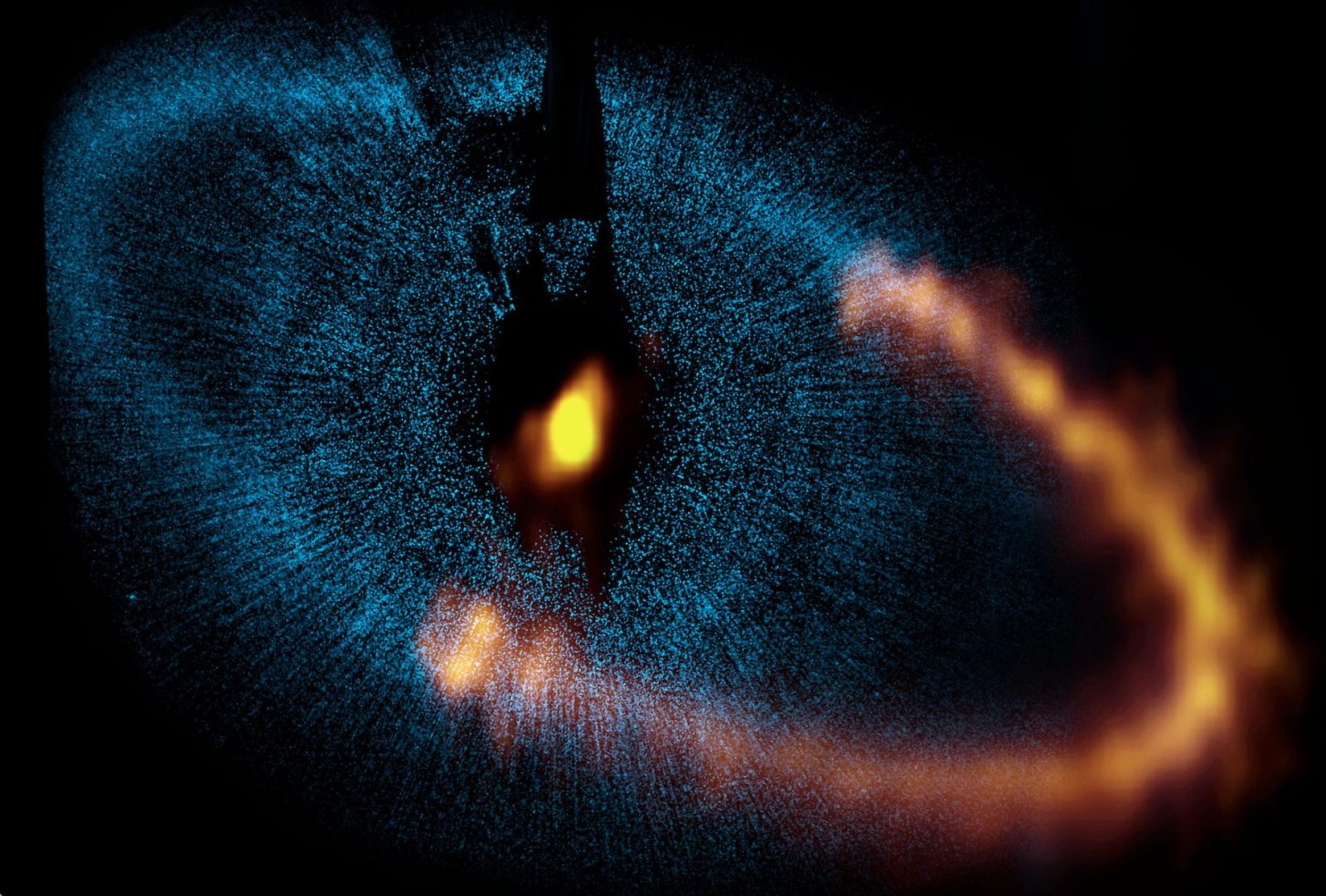
Fomalhaut system dust ring: Atacama Large Millimeter/submillimeter Array + Hubble Space Telescope reveal a planet-shaped debris ring around a young star.
Credit: Dr. Rachel Osten (Hubble Space Telescope / STScI) + ALMA / NASA / ESA
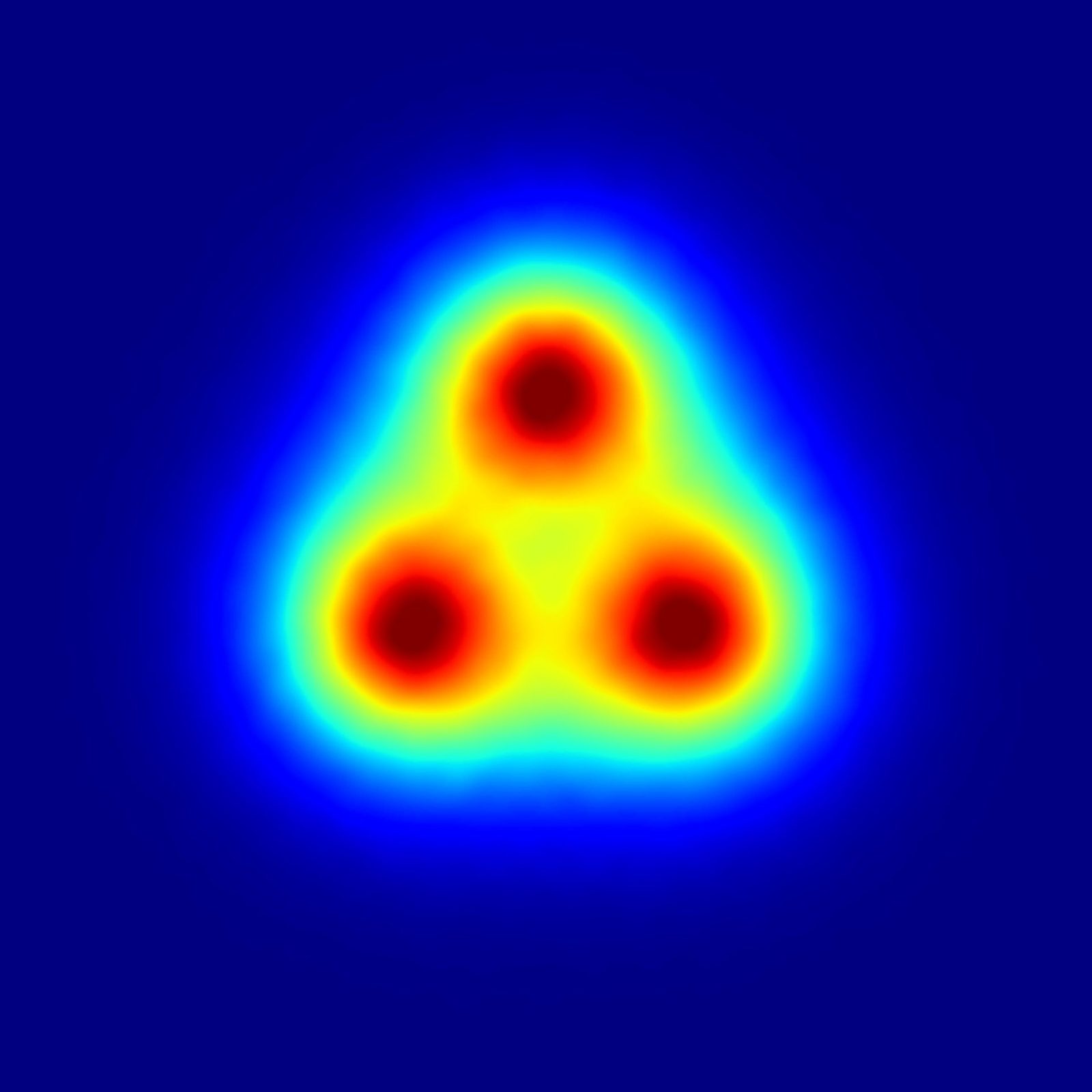
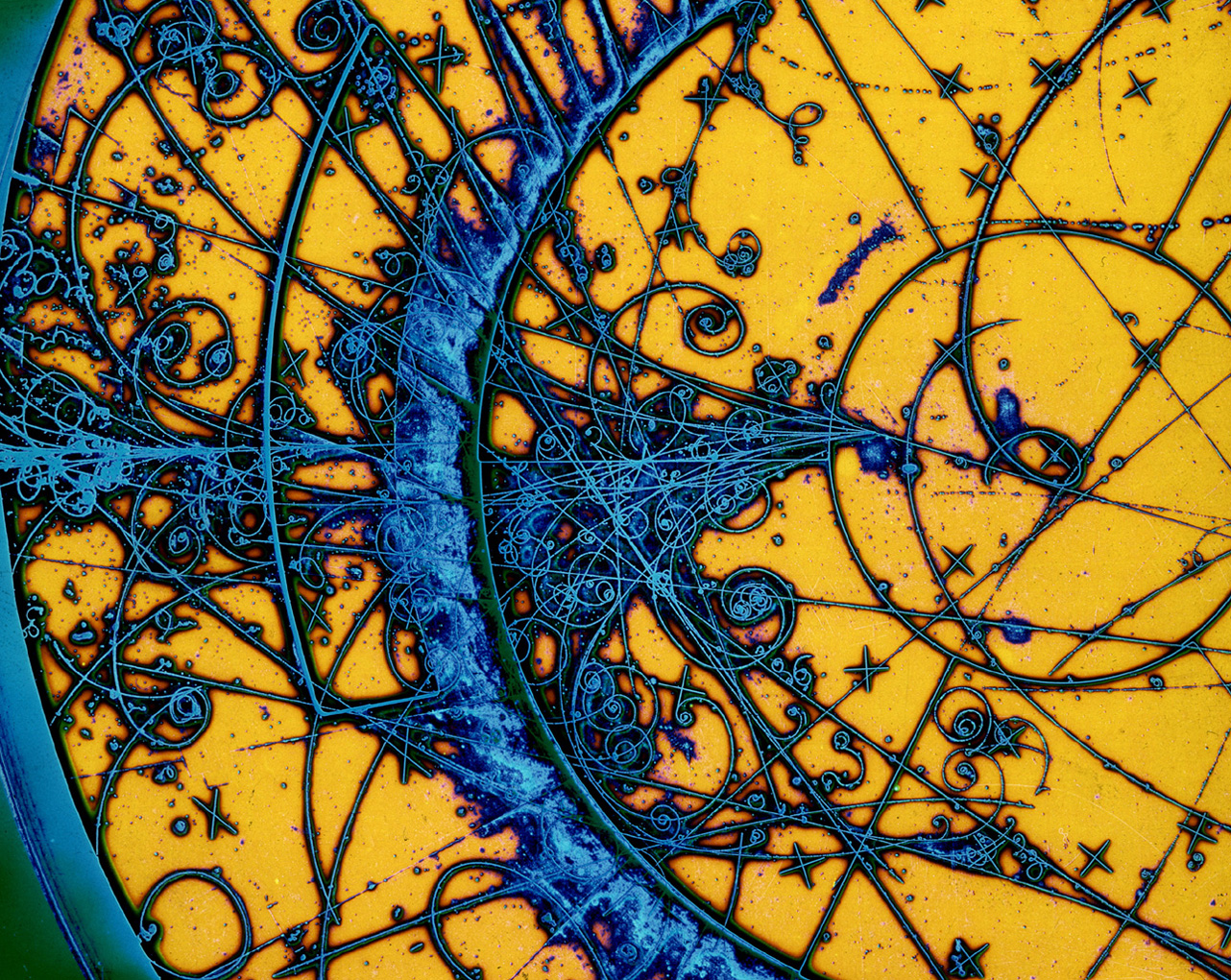
Credit: Dr. Dean Lee (Michigan State University / FRIB)
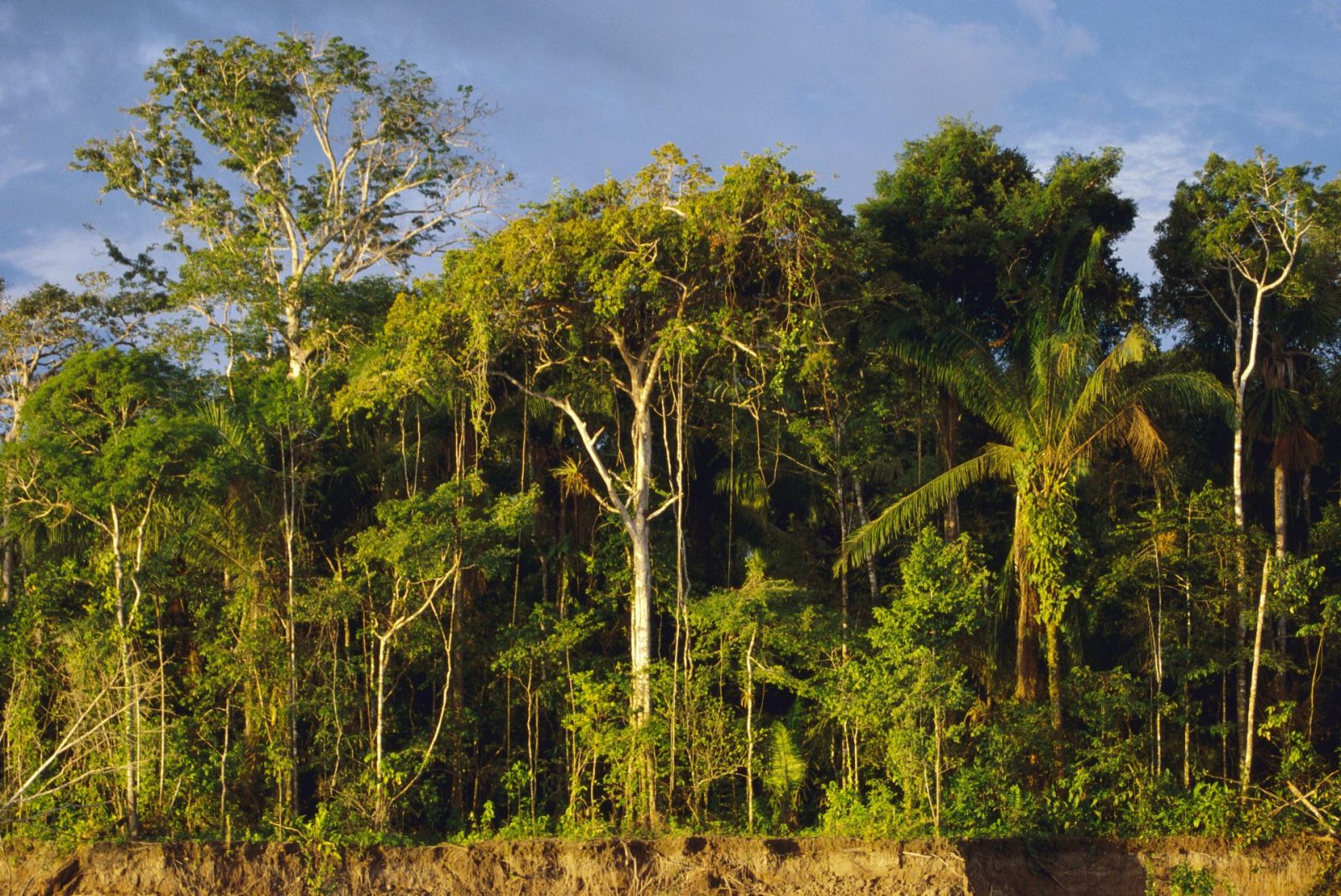
Amazon Rainforest cross-section: layered plant life builds a dense, competitive ecosystem supporting extraordinary biodiversity.
Dr. Mark W. Moffett (Smithsonian Institution / Harvard University)
Dr. Bennett, Bloomberg Distinguished Professor and Alumni Centennial Professor at Johns Hopkins University, whose work informs the exhibition’s representation of the observable universe, said: “Power of Nature is profoundly compelling. The Amaranthine Foundation’s platform presents scientific knowledge with exceptional clarity while capturing the extraordinary beauty of our universe. It awakens curiosity, engages the aesthetic senses, and conveys the wonder of scientific discovery. Sandra Piesik’s artistic vision provides a sublime setting for nature across all scales. I am honored that it includes the cosmic microwave background map we produced using data from NASA’s WMAP mission, which I led.”
Supported by United States Steel Corporation and inspired by Carl Sagan’s famous words, “We are made of star stuff,” Power of Nature – sponsored by U.S. Steel, highlights the continuum between cosmic origins and human creativity.
Blending art, science, and culture, the exhibition invites global audiences to see the universe not just as data—but as a shared story of connection, wonder, and meaning.
Explore the exhibition on Google Arts & Culture:
https://artsandculture.google.com/partner/theamaranthinefoundation
__
Sign up for our newsletter to get the latest innovation news and more sent to your inbox.